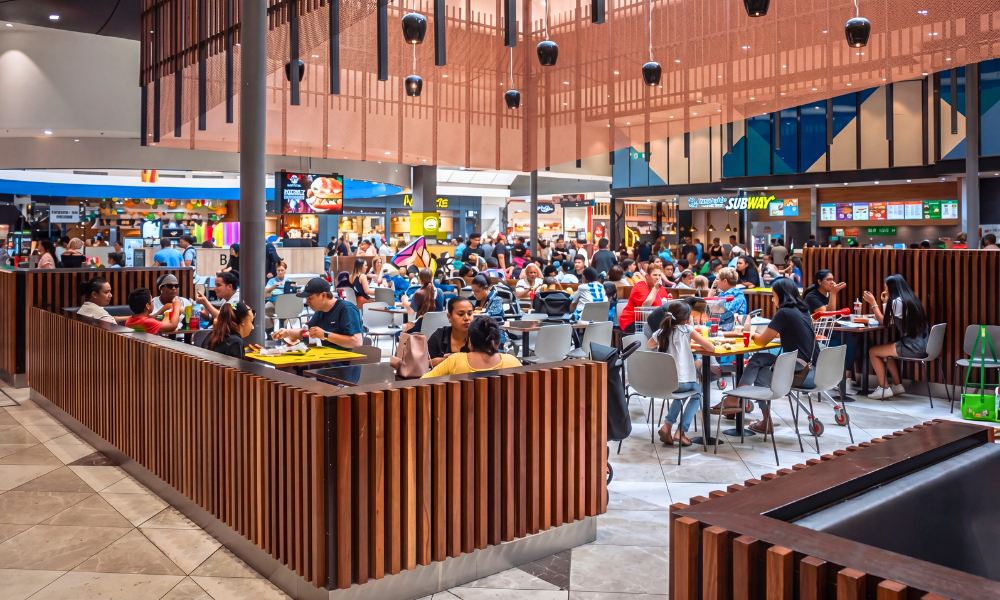
Food halls are becoming a larger part of Sydney’s dining culture as residents look for more flexible and social ways to eat out.
Across the CBD, waterfront precincts, and suburban centres, modern food halls are attracting crowds with a wide variety of cuisines, shared seating spaces, and casual dining experiences. These venues combine elements of traditional food courts, restaurants, and markets while creating more community focused environments.
For many diners, food halls offer convenience, variety, and a more relaxed atmosphere compared to traditional restaurants.
Group Dining Continues Driving Demand
One reason food halls continue growing in popularity is their ability to accommodate groups with different tastes and budgets.
Friends, families, and work groups can order meals from different vendors while still dining together in one shared space. This flexibility has made food halls particularly popular among younger diners and office workers looking for casual meal options.
Many venues feature a mix of Asian cuisine, burgers, pizza, seafood, desserts, and specialty drinks, allowing visitors to try multiple dishes during one visit.
Large communal seating areas and open layouts also support more social dining experiences.
Former Retail Spaces Being Transformed
Several food halls across Sydney now operate inside redeveloped retail buildings, laneways, and commercial spaces.
Developers and hospitality operators increasingly view these as a way to revitalise underused spaces while attracting steady foot traffic throughout the day and evening.
Areas including Circular Quay, Haymarket, Parramatta, and inner city precincts continue seeing investment in mixed dining and entertainment spaces connected to food hall concepts.
Some venues also include bars, live music, and cultural events to create broader lifestyle destinations beyond dining alone.
Independent Food Vendors Gaining Exposure
Food halls continue creating opportunities for smaller hospitality businesses and independent food operators.
For some vendors, joining a food hall can provide lower startup costs compared to opening standalone restaurants while allowing businesses to reach large customer audiences.
This has helped introduce more niche cuisines, fusion concepts, and experimental food trends across Sydney’s dining scene.
Many food halls regularly rotate vendors or introduce seasonal menus to encourage repeat visits and keep offerings fresh.
Social Media Influencing Dining Trends
Social media continues playing a major role in the popularity of food halls across Sydney.
Visually styled interiors, open kitchens, neon signage, and trending menu items often attract attention on platforms such as Instagram and TikTok.
Many venues now design dining spaces with social media visibility in mind, helping generate online exposure through customer photos and videos.
This digital attention continues influencing where people choose to eat, particularly among younger audiences searching for new dining experiences.
Casual Dining Trends Continue Evolving
Food halls reflect broader changes happening across Sydney’s hospitality industry as diners increasingly prioritise flexibility, convenience, and social experiences.
As demand for casual group dining continues growing, these are expected to remain an important part of the city’s evolving food culture across both central and suburban areas.