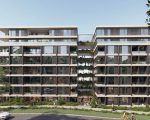
Micro apartments are becoming increasingly visible across the city as developers respond to changing housing demand, rising property prices, and shifting lifestyle preferences.
These smaller apartments, often designed with highly efficient layouts, are attracting students, young professionals, single residents, and downsizers looking for affordable housing options closer to transport, work, and entertainment precincts.
While compact living is not a new concept globally, Sydney’s growing population and limited housing supply have helped increase local interest in smaller residential spaces.
Smaller Living Spaces Gaining Attention
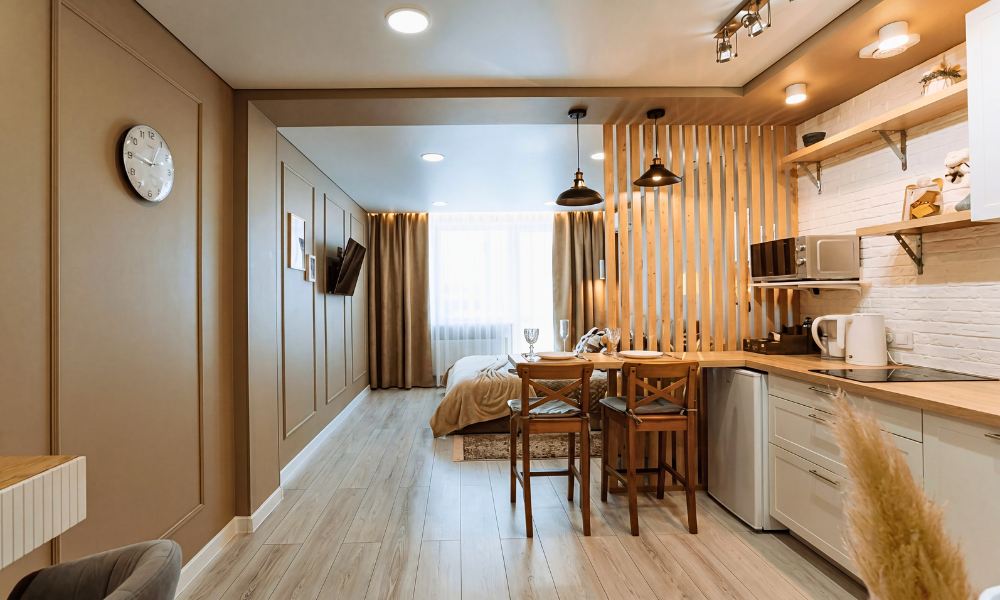
Micro apartments are generally designed to maximise functionality within limited floor space. Many include built in storage, multipurpose furniture, open layouts, and shared building amenities to make smaller living areas feel more practical.
Developments featuring compact apartments are becoming more common in high density suburbs such as Sydney CBD, Zetland, Green Square, Parramatta, and Mascot.
For many residents, the appeal comes from location rather than apartment size. Living closer to workplaces, universities, restaurants, and public transport can reduce commuting time while supporting more convenient daily routines.
Developers Focusing On Smart Design
Apartment developers are increasingly using smart design features to improve liveability within smaller spaces.
Natural lighting, high ceilings, sliding walls, foldable furniture, and communal facilities are now common features in many newer apartment projects.
Shared amenities such as rooftop gardens, gyms, coworking spaces, laundry facilities, and resident lounges are also becoming more important in compact developments.
Some housing experts believe well designed smaller apartments may become more popular as Sydney’s population density continues increasing.
Affordability Remains A Key Factor
Affordability continues driving interest in smaller housing options across Sydney. Rising property prices and rental costs have made larger apartments and houses less accessible for many residents, particularly first home buyers and younger renters.
Micro apartments can provide a more affordable entry point into suburbs that may otherwise be financially out of reach.
However, debates continue around minimum apartment sizes, storage space, and long term liveability standards within high density developments.
Planning authorities and councils continue balancing housing supply needs with concerns around quality of life and urban overcrowding.
Flexible Lifestyles Supporting Demand
Changing work and lifestyle habits are also influencing demand for compact housing. Some residents now spend more time working remotely from cafés, coworking hubs, or shared building spaces rather than remaining inside their apartments all day.
Others prefer spending more time outdoors in parks, beaches, restaurants, and entertainment precincts, making apartment size less of a priority.
Sydney’s growing focus on walkable neighbourhoods and public transport access also supports demand for smaller city based housing options.
Compact Living Could Continue Growing
Sydney micro apartments remain a developing part of the city’s housing market, but interest in compact living continues growing as affordability and convenience shape housing decisions.
As Sydney’s population expands and urban density increases, smaller apartments may continue becoming more common across both inner city and middle ring suburbs.